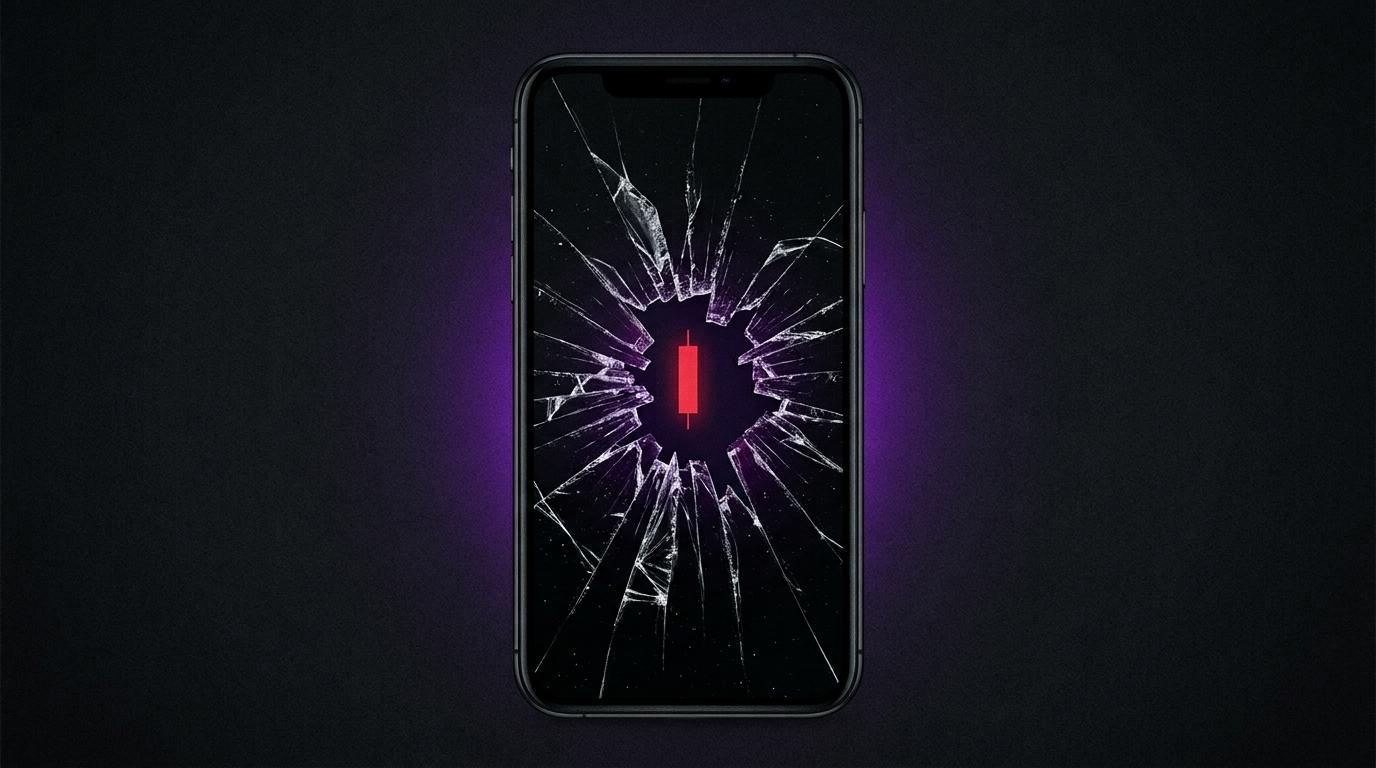
You just watched a token dump 40% minutes after you bought it. Your stomach drops, your face gets hot, and before you’ve really thought it through, you’ve already thrown more SOL into the next green candle you see — hoping it makes the last loss disappear. That reflex has a name: revenge trading. It’s one of the fastest ways to turn one bad trade into a wrecked bankroll, and in meme coins it happens quicker than in almost any other market.
What Is Revenge Trading?
Revenge trading is when you enter a new trade mainly to win back money you just lost, instead of because the setup in front of you is actually good. The trade isn’t based on your usual checks — it’s based on frustration, anger, or embarrassment, and a gut-level need to prove the market wrong. The tell is simple: if you can’t clearly explain why this specific token, right now is a good trade — separate from the fact that you’re down money — you’re not trading anymore. You’re trying to get even.
It doesn’t require a catastrophic loss to trigger. A string of small, annoying losses works just as well as one big one. What matters isn’t the size of the loss — it’s whether your next decision is being made by your strategy or by your emotions.
Why Meme Coin Trading Makes It Worse
Every market has revenge trading. Meme coins amplify it. A few reasons why:
- The feedback loop is instant. In traditional markets a bad trade might take hours or days to fully play out. On Solana, a token can dump 50% in under a minute — so the urge to “fix it immediately” has almost no cooldown period built in.
- There is always a next one. New tokens launch constantly, so there’s never a shortage of a shiny green candle to jump into. FOMO on the next pump and anger about the last dump feed each other.
- Social proof is everywhere. Timelines full of other people’s win screenshots make it feel like everyone else is recovering their losses except you — which pushes you to force a trade rather than wait for one.
- Position sizing is easy to abuse. Because entries are cheap and fast, it’s just as easy to double or triple your normal size on a revenge trade as it is to keep it the same — and that’s exactly when most people do.

The Revenge Trading Cycle
The pattern tends to repeat in the same order:
- A loss happens. You get sniped, you buy a top, liquidity gets pulled, or a token you sold pumps right after you exit.
- An emotional spike follows. Anger, shame, or a feeling of being cheated by the market shows up before any rational thought does.
- An impulsive re-entry. You buy something — often bigger than usual, often without checking market cap, holder concentration, or the contract at all — because the goal is speed, not quality.
- A second loss, often larger. Skipping your normal checks means you’re now trading blind, and the odds are worse than the trade you’re trying to recover from.
- Escalation. Instead of stopping, the urge is to go again, bigger, right now. This is where a single bad trade turns into a wrecked session.
Recognizing which stage you’re in is the fastest way to interrupt the cycle before step 4 happens.
Common Triggers to Watch For
- Getting sniped seconds after your buy fills.
- A token dumping right after you enter, before you’ve even had a chance to react.
- Watching a token you just sold rip higher the moment you’re out.
- Missing an entry on a token that’s already pumping, then chasing the next hype token to “not miss out again.”
- A run of several small losses in a row that starts to feel personal.
What Revenge Trading Actually Costs You
The dollar loss is only part of it. The bigger cost is that revenge trading torches the exact habits that normally protect you — checking market cap, scanning top holder concentration, verifying the contract address, checking liquidity locks. All of that gets skipped in the rush to get back to even. So you’re not just risking money on the next trade — you’re risking it with none of your usual screening in place, on a token you probably wouldn’t have touched five minutes earlier.
There’s also a compounding emotional cost. Each revenge trade that fails makes the next one more likely, because now there are two losses to avenge instead of one. Traders who don’t interrupt the cycle early often describe it less like a strategy and more like a spiral they couldn’t see while they were in it.
Play Games and Earn Crypto

Signs You’re About to Revenge Trade
- You’re refreshing the chart of the token that just burned you every few seconds.
- You’re already sizing up the next entry bigger than your normal position, before you’ve even picked the token.
- You catch yourself thinking “just one trade to get back to even” instead of “is this a good trade.”
- You’re about to buy a token you know nothing about, purely because it’s pumping right now.
- You skipped — or are about to skip — the checks you’d normally run before buying.
If two or more of these are true at once, that’s the moment to step away, not the moment to click buy.
How to Break the Cycle
- Set a hard daily loss limit before you start trading, and actually honor it. Decide the number when you’re calm, not mid-session.
- Use a cooldown rule. No new entries for a fixed window — even 15–20 minutes — after a loss. The goal is to let the emotional spike pass before you make another decision.
- Fix your position size before you look at the chart. Deciding size in the moment, right after a loss, is exactly when it tends to creep up.
- Keep a simple trading journal. Write one line on why you’re entering before you buy. If the honest answer is “to get back what I lost,” that’s your answer — don’t take the trade.
- Separate watching from trading. If you’re not planning to actually buy, close the chart. Doom-scrolling a token that just hurt you only keeps the emotional spike alive.
- Remember the market isn’t going anywhere. There will be another token, another setup, another chance tomorrow. The trade you’re forcing right now doesn’t have to happen right now.
Before You Click Buy, Ask Yourself
- Would I take this exact trade if my last trade had been a win instead of a loss?
- Have I actually checked this token the way I normally would — market cap, holders, contract, liquidity — or am I skipping steps to move faster?
- Is my position size the same as it would be on any other trade today?
- Am I trading a setup, or am I trying to erase a feeling?
If any answer gives you pause, that pause is doing its job. Step back before you buy.
FAQ
Is revenge trading only about one big loss? No. It’s just as often triggered by a run of smaller losses that build up until one more feels intolerable. The size of the loss matters less than whether your next decision is coming from your plan or from your emotions.
How is revenge trading different from normal risk-taking? Normal risk-taking still follows your plan — position size, screening checks, and entry criteria stay the same regardless of your last result. Revenge trading throws all of that out specifically because you’re trying to recover a loss quickly.
Can experienced traders fall into it too? Yes. It often shows up right after a winning streak breaks, when confidence is high and the first loss feels like an insult rather than a normal part of trading. Experience reduces how often it happens, but it doesn’t make anyone immune.
Is there a quick fix for revenge trading? Not really — but a hard cooldown rule after any loss is the closest thing to one. It doesn’t require willpower in the moment, just a rule you set before you needed it.
Related in This Series
- Slippage and Price Impact: Why Your Buy Order Didn’t Go the Way You Expected
- What Is a “Sniper” in Meme Coin Trading?
This article is for educational purposes only and is not financial advice. Meme coin trading carries significant risk, including total loss of funds. Always do your own research (DYOR) before buying any token.
Leave a Reply